The Wearable Shift: Ecosystems Over Gadgets
“The most powerful health tool isn’t the sensor on your wrist — it’s how that information transforms the care you receive.”
Your smartwatch tracks your steps. Your glucose sensor logs blood sugar. Your electronic health records capture lab results. But until recently, none of this data talked to each other.
That fragmentation is ending. The future of wearable health technology is not another device on your wrist – it is the wearable health ecosystem connecting them all into a clinically actionable operating system. And for innovators, health systems, and consumers alike, this shift changes everything.
From Siloed Devices to Integrated Health Operating Systems
A wearable health ecosystem is an integrated platform where data from wearable sensors, clinical records, and health applications flows seamlessly between patients, providers, and health systems – enabling real-time, clinically relevant insights rather than isolated data points.
Three forces are converging to make this possible.
Economic Pressure on Health Systems
Health systems worldwide face rising costs and capacity strain. They need tools that reduce hospital admissions, enable care at home, and improve chronic disease management without adding clinical burden. Wearable data, when integrated properly, becomes a lever for achieving all three.
The global wearable technology market was valued at approximately $84 billion in 2024 and is projected to grow at a compound annual growth rate of over 13% through 2030, driven largely by demand for remote monitoring and clinical-grade health tracking.
Regulatory Evolution: FHIR, TEFCA, and Health Data Standards
Standards like FHIR (Fast Healthcare Interoperability Resources) and the TEFCA (Trusted Exchange Framework and Common Agreement) are creating the technical and legal plumbing for health data to flow between systems. FHIR, now embedded in Apple's iOS and mandated by the U.S. 21st Century Cures Act, is becoming the universal language for digital health data exchange.
Meanwhile, privacy regulations are catching up to cover consumer-generated health data, ensuring that the wearable data feeding into clinical systems is governed by clear rules around consent, ownership, and access.
Rising Consumer Expectations for Connected Health Data
Patients now expect their health data to "just work" across apps, devices, and providers – the same way their email and calendar sync seamlessly. This expectation is pushing health tech companies to prioritize health data interoperability as a core feature, not an afterthought.
Together, these forces are laying the foundation for integrated health operating systems where sensor data becomes a continuous input to clinical decision-making.
The Health Platform Wars: Apple, Google, and Amazon
Consumer tech giants are pursuing different strategies, but all share the same ambition: becoming the backbone of your health ecosystem.
Apple – Building Clinical Data Pipelines
Apple is embedding itself directly into healthcare workflows. HealthKit and Apple Health Records already connect to hundreds of hospitals. Ochsner Health is piloting programs where Apple Watch data flows straight into the EHR, and ResearchKit continues to support large-scale clinical studies.
Apple's long-term play is generating predictive alerts that warn both patients and clinicians before symptoms appear – turning the Apple Watch from a consumer gadget into a clinical early-warning system.
Google – Ambient Intelligence and Passive Monitoring
Google is fusing wearable data with environmental sensing to create what it calls "ambient intelligence."
Fitbit Health Solutions powers employer and health system programs for chronic disease management. Project Soli radar technology explores contactless monitoring of breathing and sleep patterns. Verily's Study Watch is a research-grade device used in Parkinson's and cardiac trials.
The strategy is to combine explicit wearable signals (heart rate, activity) with passive monitoring (room presence, breathing patterns) for a more complete and continuous health picture.
Amazon – Logistics-Driven Health Delivery
Amazon is not chasing the device market. Instead, it is integrating the delivery chain that follows the insight.
Amazon Pharmacy and PillPack manage medication fulfillment. Alexa Health skills provide reminders and coaching. AWS HealthLake underpins clinical data analysis at scale.
The logic is straightforward: once your wearable generates an actionable insight, Amazon wants to deliver the intervention – whether that is a prescription, a medical supply, or a coaching prompt – to your doorstep.
Clinical Breakthroughs in Wearable Integration
The most important advances are not headline-grabbing new sensors. They are operational: wearable and sensor data are finally being woven into clinical workflows where they directly affect care decisions.
Remote Patient Monitoring at Scale
Remote patient monitoring (RPM) has matured significantly. Philips' platform now ingests data streams from multiple consumer devices and triages alerts using AI. Samsung has partnered with Kaiser Permanente to bring smartwatch monitoring into chronic disease management programs.
Health systems deploying these integrated RPM solutions report fewer acute events, better medication adherence, and reduced hospital readmissions. The key differentiator is not the data itself but how it is filtered, prioritized, and surfaced within the clinician's existing workflow.
Surgical Recovery and Early Complication Detection. Surgical recovery is being transformed by continuous post-discharge monitoring. Cleveland Clinic and UCSF are trialing discharge kits containing wound-temperature patches and mobility trackers.
The results are striking. Surgeons report spotting complications two to three days earlier than standard follow-up allows. In one documented case, a wound infection was detected 72 hours before symptoms appeared – and treated before it could escalate. These outcomes point to a future where post-surgical monitoring is continuous, not episodic.
The Infrastructure Powering Health Data Ecosystems
Consumers see sleeker apps and slimmer devices. But the real revolution is happening in the infrastructure layer – the invisible pipes that make wearable health ecosystems possible.
Edge AI for Real-Time Clinical Decisions
Platforms like NVIDIA Jetson and Clara bring medical-grade AI inference directly to devices. Apple's Neural Engine and Google's Tensor chips now power on-device arrhythmia detection and seizure monitoring. These capabilities mean life-saving decisions can be made in milliseconds without relying on cloud connectivity.
Edge AI in healthcare is particularly critical for time-sensitive alerts where latency could be the difference between early intervention and an emergency.
Federated Learning and Privacy-Preserving Analytics
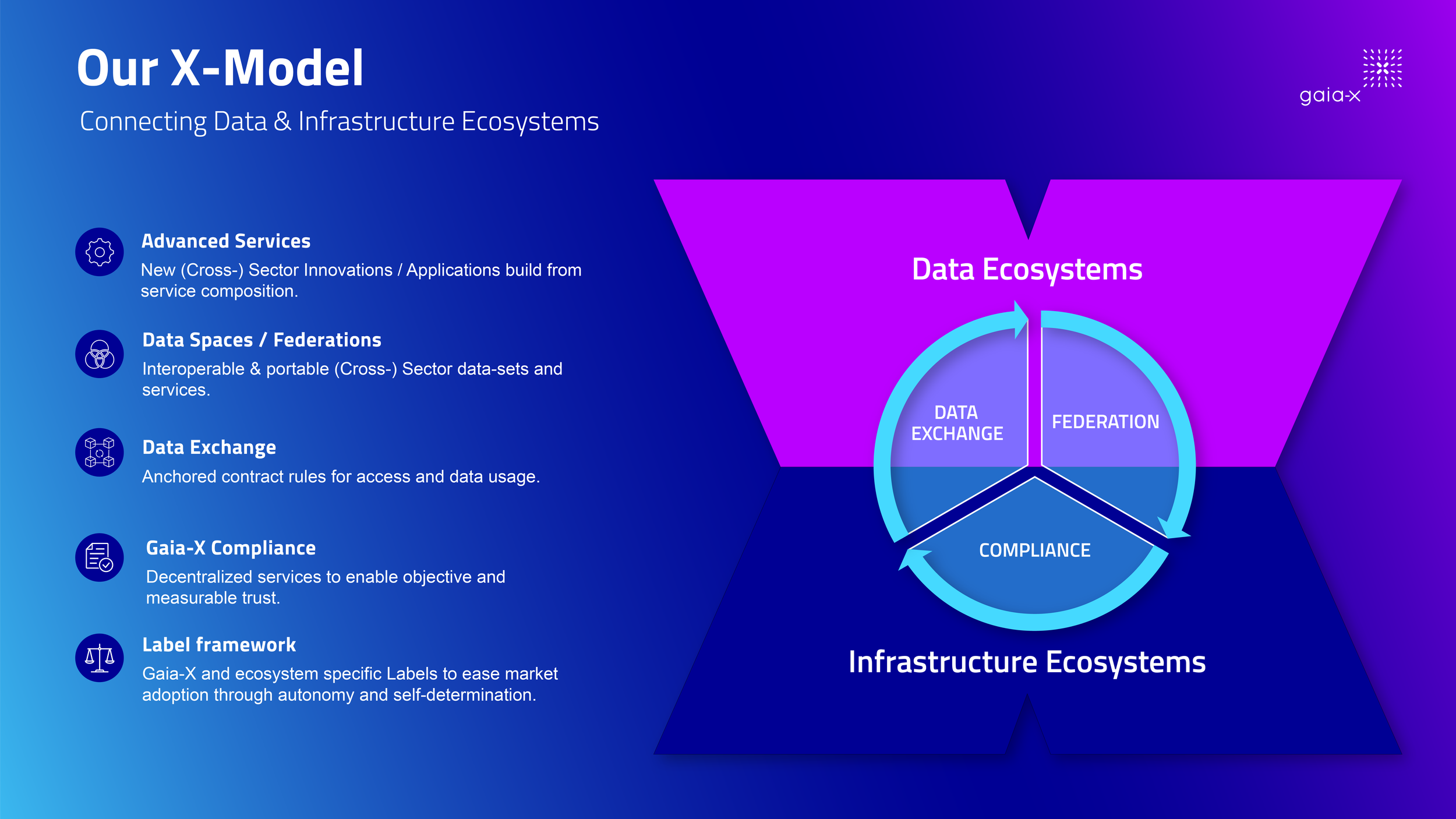
Early blockchain-based health data pilots, like MIT's MedRec, largely stalled. The industry has shifted toward federated learning approaches – projects like GAIA-X Health Data Spaces allow researchers to query distributed health data without moving it, preserving patient privacy while enabling large-scale AI model training.
This approach addresses one of the central tensions in health data: the need for comprehensive datasets to train powerful models versus the imperative to protect individual health information.
5G Network Slicing for Medical Data
Network slicing allows medical traffic to be prioritized on 5G networks, making real-time ECG streaming, continuous glucose monitoring data sharing, and combined video-plus-sensor fusion possible even in congested network environments.
This infrastructure upgrade is essential for scaling continuous health monitoring beyond controlled clinical settings into everyday life.
Winners and Losers in the Health Wearable Market
As wearable health ecosystems consolidate, the market is producing clear winners and losers.
Emerging winners:
EHR platforms (Epic, Oracle Health) – positioned as central hubs for wearable data integration, they control the clinical workflow layer that every wearable must ultimately feed into.
Sensor specialists (Bosch, BioIntelliSense) – innovations like the FDA-cleared BioSticker enable continuous, clinical-grade monitoring that healthcare providers actually trust and prescribe.
Analytics leaders (Tempus, Owkin) – creating significant value by translating raw sensor data into actionable clinical insights through AI and machine learning.
Struggling to stay relevant:
Standalone fitness trackers without clinical applications are finding it increasingly difficult to differentiate.
Wellness apps that cannot connect to health systems are being sidelined as interoperability becomes table stakes.
Over-hyped digital health startups are facing harsh reality checks. Babylon Health's collapse is a powerful case study: scale without meaningful integration into healthcare workflows is not sustainable.
The dividing line is clear. Integration beats hype. Without clinical relevance, even unicorn valuations cannot protect a company from irrelevance.
What This Means for Innovators and Consumers
For Innovators – Building for Clinical Integration
The wearable revolution is no longer about devices. It is about redesigning healthcare delivery for a continuously monitored world. To succeed, innovators need to:
Prioritize interoperability. Build on open standards like FHIR so your solution integrates with health systems from day one. Proprietary data formats are a competitive liability.
Design for clinical workflows. Think about how your product fits into a clinician's daily routine, not just a patient's lifestyle. The most useful wearable data is data that arrives in the right context at the right time.
Plan for data abundance. Every patient will soon generate gigabytes of health data per month. Systems must filter intelligently, summarize meaningfully, and protect privacy at every layer.
Build with privacy by design. With increasing scrutiny on health data collection and consumer awareness of data rights, solutions that protect user privacy will have a meaningful market advantage.
For Consumers – Smarter, Earlier, More Personal Care
For the average person, these ecosystem shifts will reshape the healthcare experience:
Less data entry, more insight. Your devices will automatically share relevant data with your care team, reducing the need to remember and report symptoms.
Earlier interventions. Continuous monitoring can spot potential issues days or weeks before they would become clinically apparent.
Personalized guidance. Richer data profiles will enable health recommendations tailored to your unique physiology and patterns.
More meaningful conversations with providers. When you meet with your healthcare team, they will already have a comprehensive view of your health trends.
But consumers should also be aware of emerging challenges. Ecosystem lock-in may limit choice as health platforms consolidate. The blurring line between wellness and clinical data raises important questions about who owns and controls access to your health information. And digital divides – unequal access to wearable technology and reliable connectivity – risk creating new inequalities in healthcare delivery.
FAQ: Wearable ecosystem
What is a wearable health ecosystem?
A wearable health ecosystem is an integrated platform connecting wearable devices, health sensors, electronic health records, and health applications. Instead of data living in silos, information flows between devices, patients, and providers to enable continuous, clinically actionable health monitoring.
How do wearables integrate with electronic health records (EHRs)?
Integration typically happens through interoperability standards like FHIR (Fast Healthcare Interoperability Resources). Platforms such as Apple HealthKit and Philips' RPM solutions can translate wearable data into structured formats that EHR systems like Epic and Oracle Health can ingest, making sensor readings available within clinical workflows.
What are the biggest challenges with health data interoperability?
Key challenges include proprietary data formats across different device manufacturers, inconsistent data quality from consumer-grade sensors, privacy and consent management across multiple platforms, and the sheer volume of data that continuous monitoring generates. Clinicians also need effective filtering tools so they receive actionable alerts rather than data noise.
How does remote patient monitoring reduce hospital readmissions?
RPM programs use wearable data to detect early warning signs – changes in heart rate, activity levels, oxygen saturation, or wound temperature – that indicate a patient's condition may be deteriorating. When these alerts are integrated into clinical workflows, care teams can intervene earlier, often preventing the escalation that would otherwise result in an emergency visit or readmission.
What role does edge AI play in wearable health devices?
Edge AI runs machine learning models directly on the wearable device rather than sending data to the cloud for analysis. This enables real-time detection of critical events like arrhythmias or seizures with millisecond response times, which is essential when connectivity is limited or when speed of detection is clinically critical.
What Comes Next – The Critical 18 Months Ahead
The coming months will be decisive for the wearable health ecosystem landscape.
Reimbursement models will determine which remote monitoring programs can scale sustainably. AI regulation will establish boundaries for predictive alerts in clinical practice. Interoperability standards will consolidate around a few dominant platforms, creating clear winners and losers. And consumer privacy concerns could accelerate adoption of federated, privacy-preserving models.
We have evolved from simple step counters to sophisticated health operating systems. The winners of this next phase will not be companies with the flashiest devices. They will be organizations that master integration, forge meaningful clinical partnerships, and deliver measurable value to overstretched health systems.
The question for every stakeholder in this space is no longer "what device are you building?" It is: "what piece of healthcare infrastructure are you creating?"
Stay ahead of what’s next in healthcare.
Healthy Innovations is my weekly newsletter delivering strategic analysis of emerging biotech and digital health.
No spam. Unsubscribe anytime.
